Transform Your Furry Pal: Vital Tips for Effective Dog Training at Home
Training a dog at home can be a fulfilling yet challenging endeavor. Comprehending a dog's special behaviors is important for efficient training. Developing clear objectives aids guide the procedure. Making use of positive support cultivates preferred activities, while consistency amongst member of the family reinforces discovering. Nevertheless, obstacles might emerge, calling for thoughtful methods to conquer them. As the journey unravels, the bond in between owner and family pet deepens, disclosing the extensive impact of efficient training. What actions can one take to guarantee success?
Recognizing Your Dog's Actions
Establishing Clear Training Objectives
Establishing clear training objectives is essential for effective canine training, as it offers both the proprietor and the dog with a clear direction. By establishing specific, quantifiable, achievable, appropriate, and time-bound (WISE) goals, owners can better track their pet's development and preserve motivation. Objectives can vary from basic commands like rest and remain to a lot more complex behaviors such as leash walking or recall. It is necessary for owners to prioritize these goals based on their pet's needs and the proprietor's lifestyle. Frequently reassessing and changing these objectives warranties they remain appropriate and possible. Ultimately, clear training objectives promote a structured approach that profits both the proprietor and the canine, causing a much more harmonious relationship and successful training end results.
Favorable Support Techniques
Positive reinforcement strategies are essential for reliable pet training, concentrating on reward-based approaches to urge wanted habits. The significance of timing and consistency in supplying benefits can not be overemphasized, as they directly affect the canine's understanding of the training procedure. Establishing achievable objectives additionally improves the training experience, ensuring both the pet and fitness instructor stay engaged and motivated.
Reward-Based Training Approaches
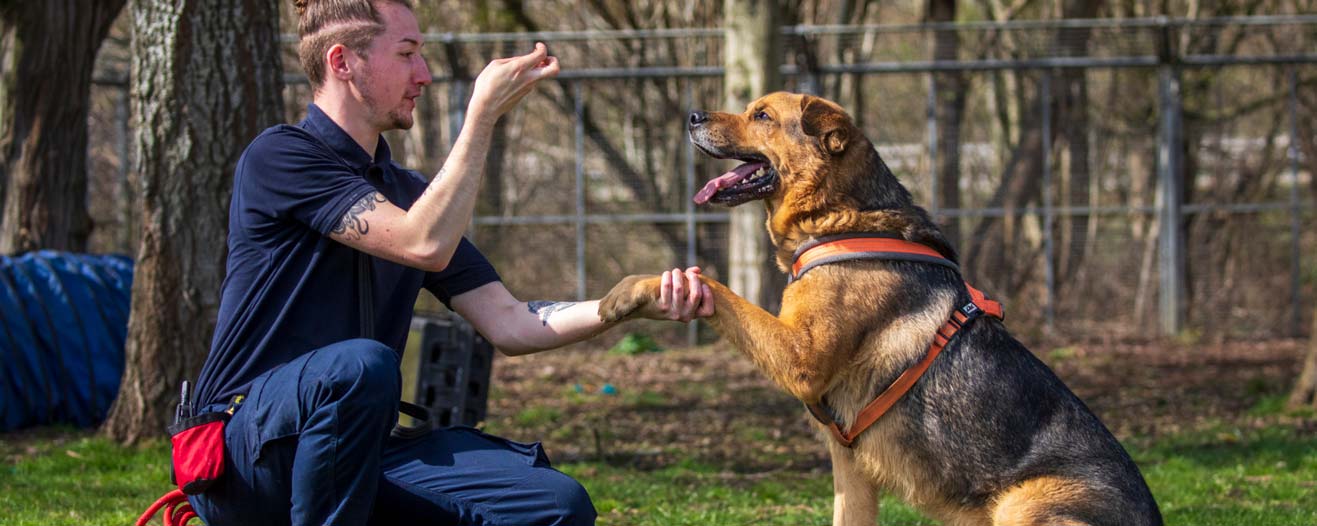
Reward-based training methods, often referred to as favorable reinforcement techniques, successfully motivate preferable behaviors in dogs by linking actions with benefits. These approaches utilize treats, appreciation, or play to reinforce details behaviors, developing a favorable discovering environment. When a dog rests on command and receives a reward, it begins to comprehend the connection between the activity and the reward. This approach promotes trust fund and enhances the bond between the canine and its proprietor. In addition, it advertises a feeling of safety and security, permitting the pet dog to really feel confident in its capacity to please its trainer. Generally, reward-based training not just enhances obedience but additionally adds to a pleased and well-adjusted family pet, making it a recommended choice for numerous dog owners.
Timing and Consistency
When training dogs, the importance of timing and consistency can not be overemphasized, as these aspects play an important function in reinforcing desired actions. Reliable timing guarantees that benefits are provided promptly complying with a positive action, enabling the canine to make a clear link in between the support and the habits. Consistency, on the various other hand, suggests using the exact same cues and rewards every single time a particular behavior takes place, which cultivates understanding and count on. Without these 2 elements, pet dogs may end up being overwhelmed about what is anticipated of them. By preserving a structured approach, instructors can improve their pet's discovering experience, causing much better behavior and a stronger bond between the pet and owner, ultimately leading to successful training end results.
Setting Possible Goals
Establishing attainable goals is necessary in canine training, as it helps proprietors preserve inspiration and focus throughout the procedure. Clear purposes, such as teaching fundamental commands or enhancing chain good manners, provide structure to training sessions. Owners must break down these objectives right into smaller, workable actions, permitting gradual progression. Mastering "sit" can start with tempting the pet dog right into placement, adhered to by rewarding successful attempts. Favorable reinforcement methods, such as treats or appreciation, enhance preferred behaviors, making training pleasurable for both canine and owner. Tracking progression can likewise improve motivation, encouraging owners to commemorate tiny success. By setting reasonable expectations, proprietors create a positive training environment, promoting a more powerful bond with their furry friends.
Uniformity Is Key
Many aspects add to successful pet training, consistency stands out as one of the most crucial elements. Dogs thrive on regular, and predictable commands aid strengthen discovering. When proprietors use training strategies continually, pet dogs begin to comprehend what is anticipated of them. Inconsistent reinforcement can confuse a dog, causing irritation for both the animal and proprietor. It is vital for all relative to make use of the same commands and incentives, making sure a unified approach to training. In addition, consistency in timing during training sessions can boost a dog's capacity to discover and preserve new actions. By establishing a solid and Puppy Training Freeport FL regular foundation, dog proprietors set their pet dogs up for lasting success in obedience and behavior.
Integrating Training Into Daily Routines
Including training right into everyday regimens can noticeably improve a dog's learning experience, as it permits for all-natural possibilities to enhance habits and commands. Simple tasks, such as feeding, walking, or playing, can work as excellent minutes for training. For example, making use of rest or stay commands prior to meals assists establish framework and discipline. During walks, practicing chain good manners and recall can transform an average trip right into an effective training session. Additionally, engaging in short training exercises throughout the day keeps the dog emotionally triggered and strengthens learned skills. Regular integration of training right into day-to-day tasks cultivates a deeper bond in between the pet dog and owner, making the training process reliable and delightful. This technique ultimately adds to a well-behaved and happy canine buddy.
Troubleshooting Usual Training Obstacles
When training dogs, distractions and anxiousness can pose considerable challenges. It is necessary to determine techniques to minimize these distractions and assist canines feel more protected throughout training sessions. Addressing these usual issues can result in an extra efficient and positive training experience.

Addressing Diversions During Training
Diversions can thwart also the most focused training sessions, making it essential for trainers to apply methods that lessen their effect. To start, selecting a familiar and peaceful atmosphere for training can significantly decrease outside stimulations. Slowly presenting disturbances, such as various other pet dogs or sounds, assists dogs learn to concentrate amidst difficulties. Additionally, making use of high-value rewards can catch a dog's attention and strengthen preferred actions. Short, interesting training sessions keep pets inspired and less likely to be sidetracked. Consistency is vital; developing a regular helps canines recognize what to expect. Finally, instructors ought to continue to be calm and patient, as their attitude can influence the pet's capability to concentrate, promoting a much more effective training environment.

Overcoming Fear and Anxiety
Conquering concern and anxiousness in pet dogs requires a thoughtful technique, as these emotional obstacles can impede training progression. It is necessary to determine the specific triggers that trigger anxiousness, whether they are loud noises, strange atmospheres, or particular individuals. Progressive desensitization can be efficient; presenting the dog to these triggers in a regulated fashion assists them build confidence. Favorable reinforcement strategies, such as treats and appreciation, motivate tranquil actions during difficult scenarios. Furthermore, developing a risk-free area where the dog can pull back when really feeling bewildered is vital. Consistency and persistence are essential; training sessions need to be short and positive to avoid exacerbating anxiety. With time and ideal techniques, fearful canines can discover to handle their feelings and flourish.
Frequently Asked Questions
What Age Is Ideal to Begin Training My Dog?
The best age to begin training a dog is typically around eight weeks old. Professional Dog Training Freeport FL. At this phase, pups are very responsive to finding out and can promptly grasp basic commands, setting a foundation for future training
For how long Should Each Training Session Last?
Each training session should ideally last in between 5 to 15 mins, depending on the pet's age and attention span. Short, constant sessions aid keep involvement and enhance learning efficiently, making training pleasurable for both pet dog and owner.
Can I Train Multiple Pets at the same time?
Training numerous pet dogs at when is possible, but it requires cautious administration to guarantee emphasis (Dog Training Freeport Florida). Each pet dog may need individual focus, so training sessions should be structured to decrease diversions and advertise effective learning for all

What Are Some Indications My Dog Is Discovering?
Signs that a dog is finding out consist of increased focus, quicker reaction times, regular performance of commands, readiness to involve, and showing exhilaration or positive body language. These indications mirror the pet dog's growing understanding and retention of training.
Just how Do I Know if My Dog Is Worried Throughout Training?
Indications of a stressed pet throughout training may consist of extreme panting, pacing, grumbling, cring, or showing disinterest in tasks - Board and Train Freeport Florida. Observing these actions can help figure out when to readjust training techniques for the pet dog's well-being
Recognizing a dog's habits is necessary for efficient training, as it enables proprietors to react suitably to their pet dog's demands. Establishing clear training objectives is essential for reliable pet training, as it gives both the owner and the pet with a clear direction. Establishing possible goals is important in pet training, as it assists owners keep inspiration and focus throughout the procedure. Favorable support strategies, such as deals with or appreciation, enhance preferred behaviors, making training satisfying for both canine and proprietor. Consistent assimilation of training into everyday tasks cultivates a deeper bond in between the pet dog and owner, making the training procedure enjoyable and efficient.